- The Weekly From ParentsCanada
- Posts
- What Fresh Air, Sensory Bins and Pokémon Cards All Have in Common in This Week’s 7 Things
What Fresh Air, Sensory Bins and Pokémon Cards All Have in Common in This Week’s 7 Things
What’s up this week: Kids are collectors again, allergy season sorrows, the return of the teenage babysitter, a new take on the chore chart and more.

Parents Canada
May 07, 2026


What’s up this week: Collecting is all the rage (again). Parents tracking pollen like meteorologists. Teen entrepreneurs giving summer camps a run for their money. Reverse-engineering the chore chart. Building family routines around the great outdoors. The rise of the family group chat.
Only nine more sleeps until the long weekend, pals.

Katie
Editor, ParentsCanada

Why Every Kid Suddenly Wants to Collect Something Again
One kid is hunting for rare Pokémon cards, while another is carefully arranging Sonny Angels on a bookshelf like a curator creating a museum exhibit. Meanwhile, parents across Canada are discovering collections of stickers, rocks, Calico Critters, Jellycats, pins and “very important” scraps of paper in backpacks and dresser drawers.
Truthfully, collecting culture is has always had a hold on kids and tweens to varying degrees (you probably remember the baseball card and Beanie Baby collections of yore) and it’s really not a bad thing.
Experts say these mini obsessions give kiddos something offline, tangible and deeply personal to focus on in an increasingly digital world, and they can help kids to build identity, confidence and social connection. Also, if your child has ever delivered a 14-minute TED Talk about the rarity of a stuffed avocado keychain, you already know this is serious business.
Have your kids started collecting something? |


Parents Are Checking Pollen Counts Like Weather Forecasts

For most families, the morning routine includes checking the temperature and the chances of precipitation to make decisions about wardrobe, transportation and whether it’s a “light jacket” or “full raincoat” kind of day. But these days, that early morning research also includes checking pollen maps before deciding whether anyone should spend six hours at the soccer field.
Experts say allergy seasons are getting longer and more intense thanks to warmer temperatures and changing growing conditions. That means more families are dealing with itchy eyes, endless sneezing, mystery coughs and kids who somehow look exhausted before breakfast. Suddenly parents know the difference between tree pollen, grass pollen and ragweed, which feels like information nobody really needs taking up space in their brains.
👉 There are a few ways to make allergy season a little less miserable for everyone. Tap here for the whole story.

The “Reverse Chore Chart” Debate Is Taking Over the Internet
You know what a traditional chore chart is: It lists the names of your kids and allows you to assign jobs to each one. For some families, a kid’s allowance is tied to their completion of tasks.
But reverse chore charts are less about action and more about awareness. They list everything parents already do: packing lunches, replacing outgrown shoes, booking dentist appointments, remembering spirit days, buying birthday gifts and knowing where everyone’s water bottle is at all times. The idea is to help kids understand invisible labour and build appreciation for all of the effort it takes to keep a household running.
Supporters say these charts are the antidote to entitled mindsets and selfish phases. Critics think it turns parenting into martyrdom with a dry erase marker. Either way, the conversation has struck a nerve with overwhelmed parents who are very, very tired of being the family operations manager.
👉 Interested in trying out the “reverse chore chart” in your house? Here’s how to set it up and make it meaningful.

Parents Are Outsourcing Summer Fun to Teenagers
The classic babysitter is getting a major rebrand this summer. Teens are running neighbourhood camps, organizing backyard crafts, hosting movie nights, supervising park outings and becoming part-time activity coordinators for younger kids.
With camp prices climbing and summer jobs becoming increasingly difficult to secure, hyper-local teen entrepreneurship is booming. Some families are teaming up to hire older teens for a few afternoons a week, while others are leaning into “mother’s helper” setups where younger teens entertain kids while parents work from home nearby.
Honestly? It feels a bit like the return of community parenting. Also, somewhere right now, a 15-year-old is building a Canva flyer and preparing to make $300 a week teaching sidewalk chalk games and we’re not mad about it.
👉 For teens, these jobs can build confidence, responsibility and real-world skills, while younger kids get a summer they’ll never forget. Read more about why teenage babysitters can be a win for the whole family.

The Great Backyard Reset: Why Families Are Prioritizing Outdoor Time Together
After months of packed schedules, relentless notifications and piles of homework, spring is officially here, the school year is in wind-down mode and families are craving reconnection.
Parents are embracing warm evenings and taking the opportunity to spearhead more family outdoor time. If you just inwardly groaned at yet another thing you “should” be doing, we don’t mean planning elaborate backyard activities. Think less box to tick and more pressure-release valve for family life. Post-dinner walks, driveway basketball, gardening before bed and after-school scooter laps are the low-stakes family rituals you could try. Experts say repeatable outdoor routines can help reduce stress, support emotional regulation and strengthen family relationships. Also, kids tend to fight less when they’ve been allowed to run around like raccoons for an hour.
👉 Not sure how you can coax your kids into the great outdoors each evening? We’ve got ideas for you.

Sensory Bins Have Become a Toddler Parenting Life Hack
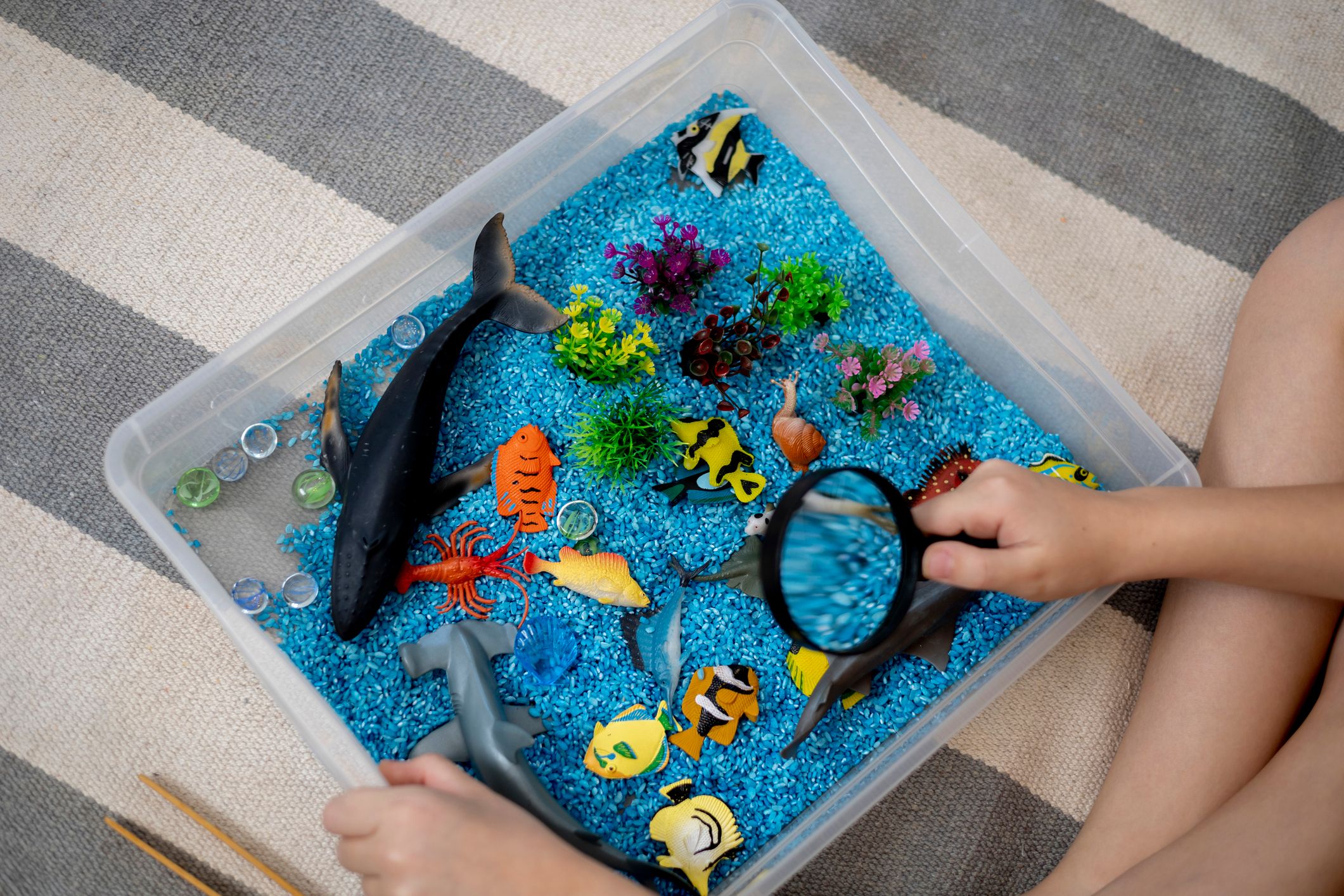
Parents of toddlers are out here pouring rice into storage containers and calling it an activity plan because, frankly, it works.
Sensory bins have become a full-blown parenting phenomenon online, with moms and dads creating setups involving scoops, pom-poms, water beads, kinetic sand, frozen dinosaurs and occasionally an entire bag of dried chickpeas sacrificed to the living room floor. The appeal is obvious: toddlers stay engaged longer than 45 seconds and parents sometimes get to drink a coffee while it’s still warm.
But experts say sensory play does more than buy adults a moment of peace. It can support fine motor development, creativity, independent play and early problem-solving skills. It’s also one of the few toddler activities that somehow feels chaotic and calming at the exact same time.
👉 Building sensory bins is beyond easy. We’ve got the step-by-step and tons of ideas for how to change it up so kids don’t get bored.

Family Group Chats Are Becoming Their Own Tiny Social Networks
Family group chats used to exist for logistics. Now they contain blurry grocery store selfies, badly timed thumbs-up reactions, voice notes from grandparents, memes nobody fully understands and 97 unread messages about dinner plans.
For many families, the group chat has become an ongoing digital gathering place where everyone communicates in their own weird little style. Teens send TikToks. Parents send reminders. Grandparents accidentally type entire messages into the reaction bar. And somehow, through all the chaos, these chats are becoming one of the main ways modern families stay connected day-to-day.
👉 If you’re curious about how your extended family can approach tech in a healthy way, this article is for you.
You know you’re a parent when you understand why Mama Bear’s porridge was cold.